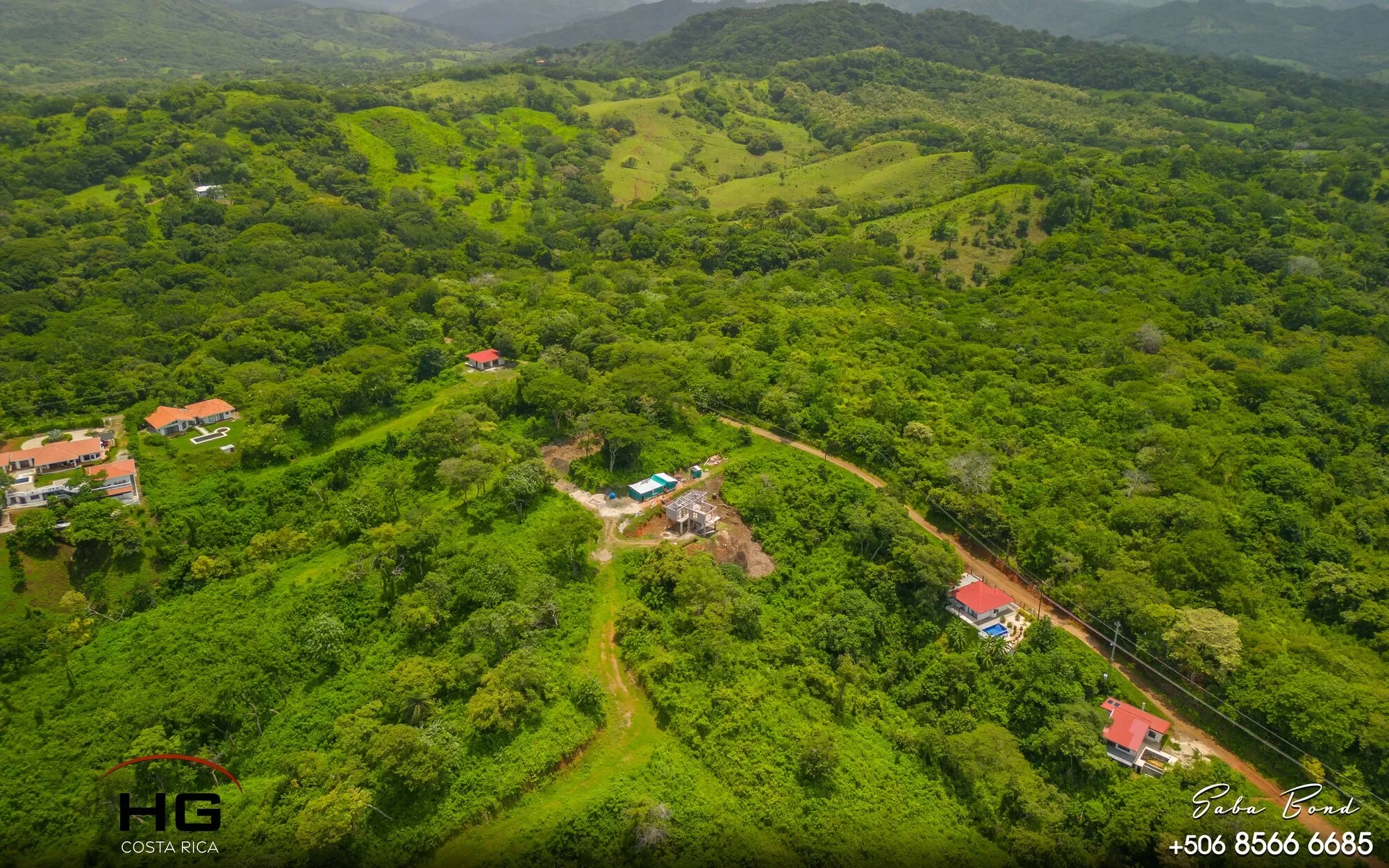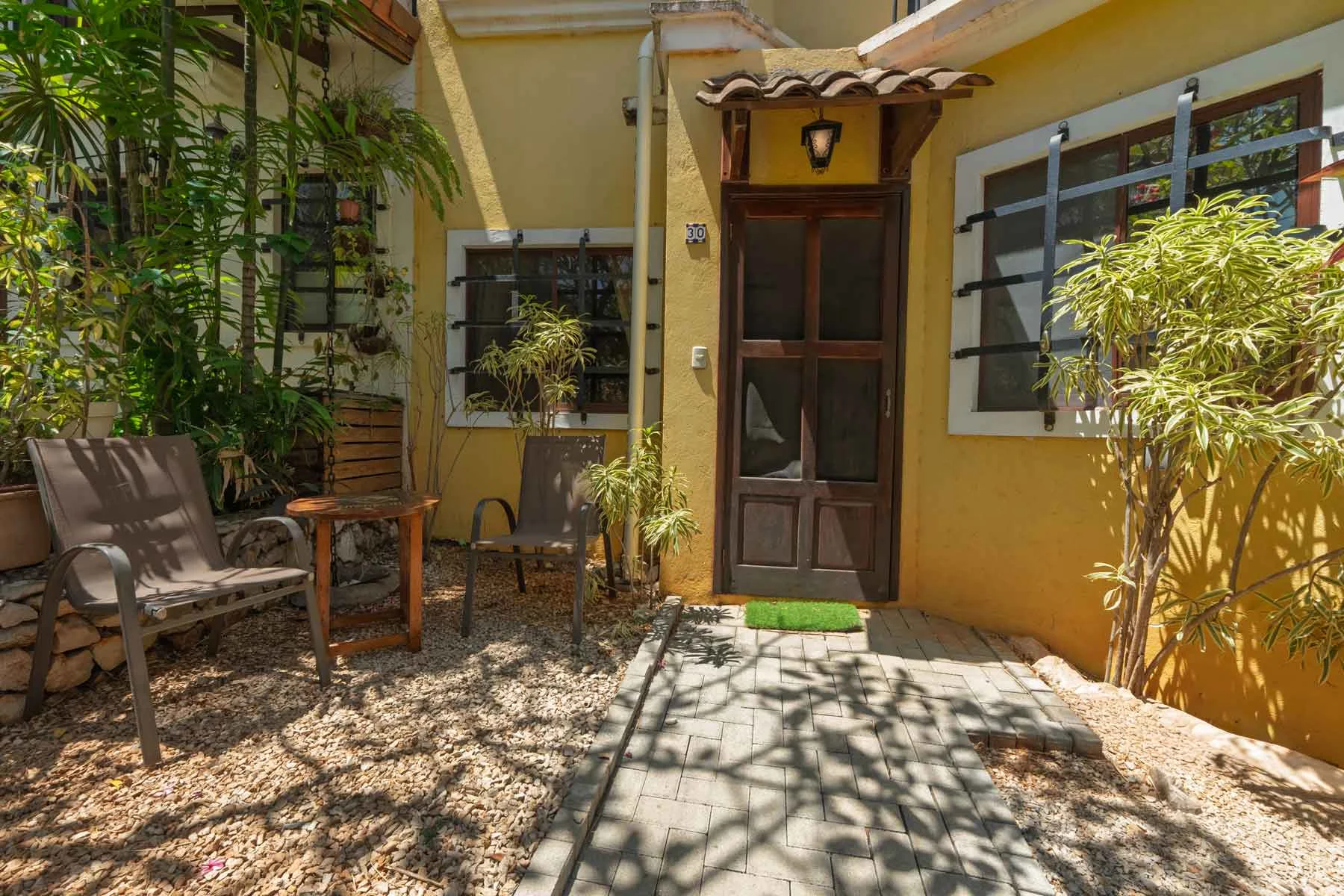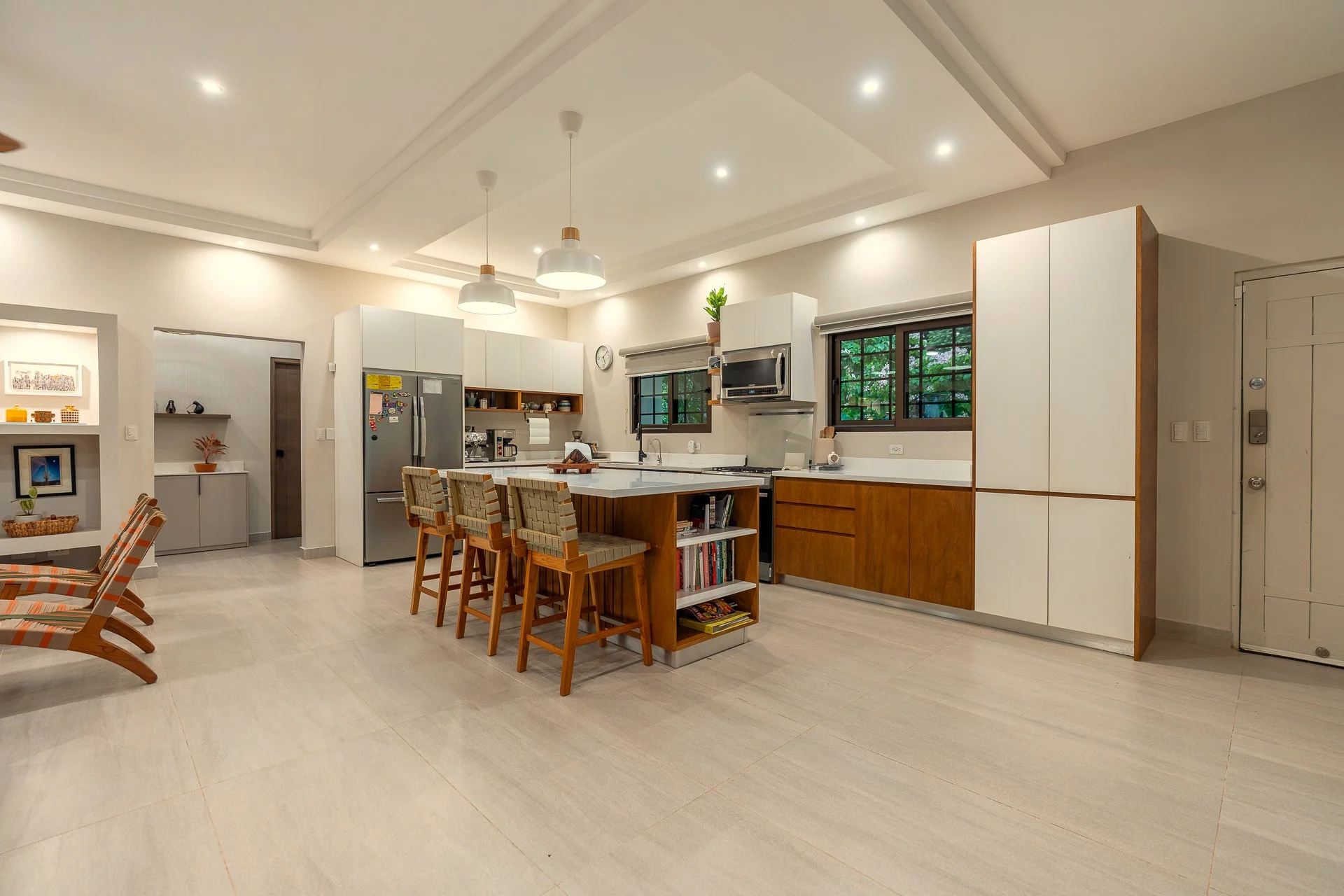
Maximizing Rental Income from Your Costa Rica Property
Maximizing Rental Income from Your Costa Rica Property
Vacation rental income on a Costa Rican property is real but smaller than most marketing materials suggest. The difference between a strong-performing rental and a marginal one is rarely the property itself — it is the operations layer wrapped around it. This article walks through what actually drives rental performance in 2026 and what owners can do to push gross and net yield higher.
The realistic 2026 yield baseline
Per TheLatinvestor's January 2026 Airbnb profitability data, average Costa Rican Airbnb hosts earn roughly $1,700 per month, with beach-town villas with pools pulling in $6,000+ during high season. Annual occupancy ranges 44–53% depending on location. Gross yields in popular markets land at 5–8% of property value; net yields after operating costs land at 2–4%.
This is the realistic baseline. Marketing claims of 8–12% net yield are typically based on aspirational pricing assumptions or selective reporting of high season only.
Five operational levers that move the needle
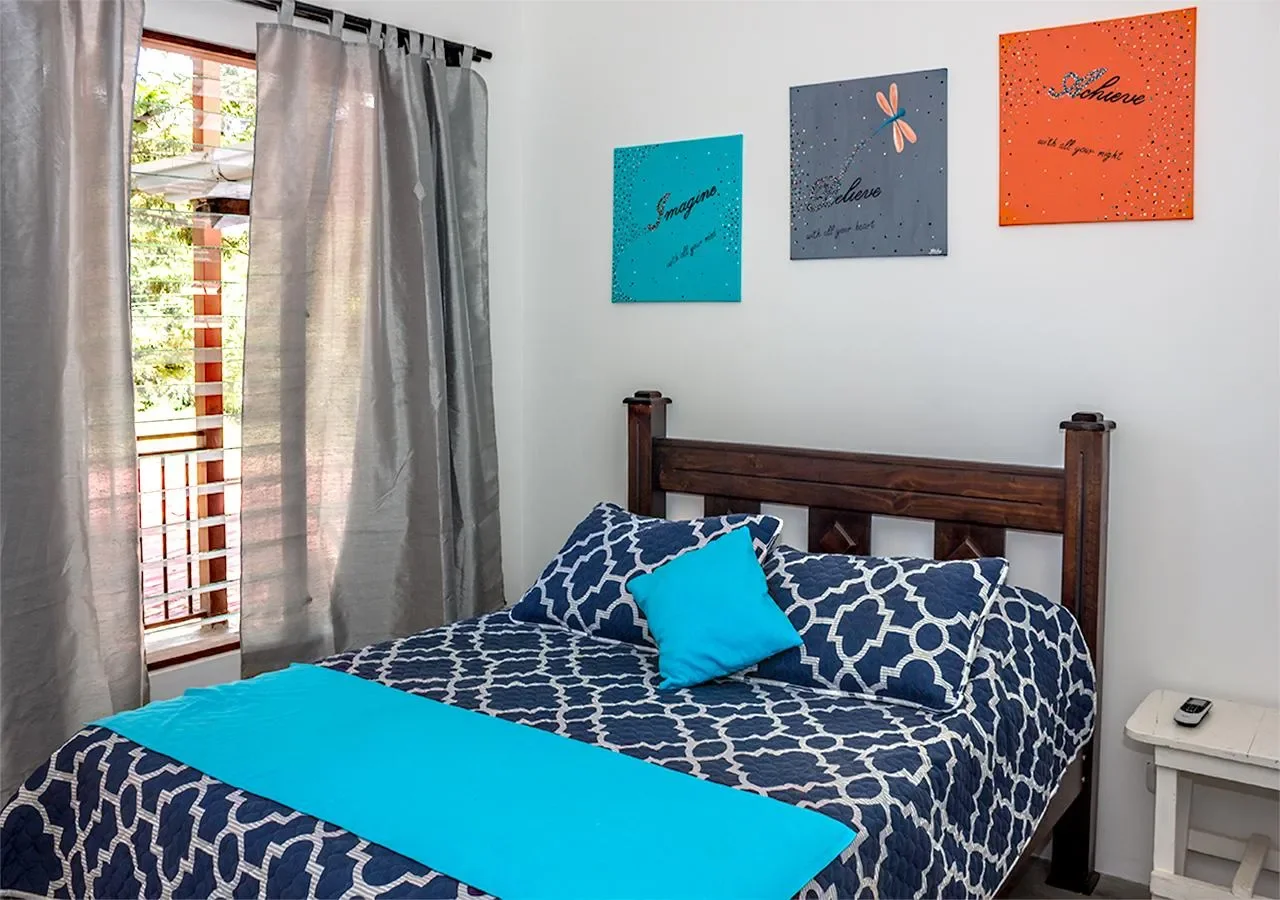
1. Listing quality. Professional photography, careful copywriting, and detailed amenity lists separate top-performing listings from average ones. Properties with phone-camera photos and minimal copy book at lower nightly rates and lower occupancy regardless of underlying quality. The investment is roughly $400–$800 for professional shoots; the return is typically 15–25% improvement in booking rate.
2. Dynamic pricing. Static nightly rates leave money on the table. Tools like PriceLabs, Wheelhouse, and Beyond Pricing automatically adjust nightly rates based on demand patterns, local events, and competitive comp pricing. Properties using dynamic pricing typically see 8–15% revenue improvement versus static rates.
3. Response time. Bookings flow toward owners or managers who respond to inquiries within hours, not days. Airbnb and VRBO algorithms reward fast response in their visibility ranking. The discipline of responding to every inquiry within four hours during business hours doubles inquiry-to-booking conversion for many listings.
4. Review management. Properties with 4.8+ ratings and 50+ reviews dominate search visibility. Active cultivation of reviews — clear post-stay communication, swift response to issues, transparent rebooking offers for problems — compounds visibility over time. New listings need to focus their first 6 months on review acquisition.
5. Direct booking strategy. Platform fees on Airbnb and VRBO total 14–18% of gross. Owners with strong direct-booking websites recapture this. Direct booking requires marketing investment and time; it is most attractive after 1–2 years of platform success that builds repeat-guest demand.
Operating cost optimization
The other side of the yield equation is operating cost compression. Common optimizations:
- Property management negotiation: standard rates are 25–35% of gross, but volume operators sometimes negotiate to 20% for owners with multiple properties or premium listings.
- Cleaning fee structuring: pass cleaning fees to guests as a separate line on the booking; this preserves the headline nightly rate that affects search ranking while still recouping cost.
- Utility caps: structure leases or rental agreements to cap utility usage above which guests pay overages; AC abuse in coastal homes is the most common waste.
- Maintenance scheduling: do major maintenance during seasonal lulls (May–June, September–October) when bookings are lighter.
- Insurance shopping: STR-rider insurance pricing varies meaningfully across carriers; reshop annually.
Realistic pro forma improvement
For a $400,000 Costa Rican vacation rental property, the difference between average and well-operated:
| Metric | Average operation | Well-operated |
|---|---|---|
| Annual gross revenue | $31,000 | $45,000 |
| Net operating income | $7,300 | $15,500 |
| Net yield on property value | 1.8% | 3.9% |
The gap is substantial. Operations matter as much as property selection.
Costa Rica vacation rental yield is operationally driven. The same property generates $30K or $50K of gross revenue depending on professional photography, dynamic pricing, response time, and review management. Most owners under-invest in operations and accept lower yields than their property could deliver.
The long-term rental alternative
Long-term residential rentals deliver lower gross but higher net yields with less operational overhead. A typical mid-tier Costa Rican home leasing at $1,800/month over 11 months a year produces $19,800 gross. After property management, maintenance, and taxes, net of $13,000–$14,000 — net yield of 3.3–3.5% on $400,000 property value, with much less variability than vacation rental income.
Many owners ultimately settle on long-term rental once they realize their personal use of the property is light enough that vacation-rental complexity is not worth the marginal income difference.